
Hubub: A Virtual Campus Solution
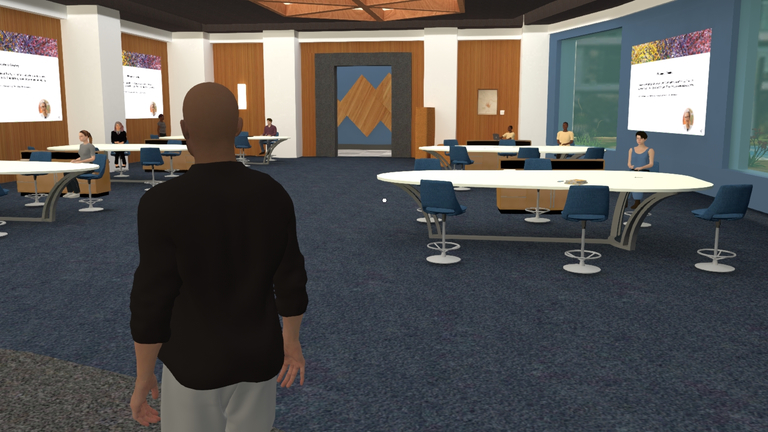
XGameDev developed Hubub, a virtual campus solution for Monash University.
← All projects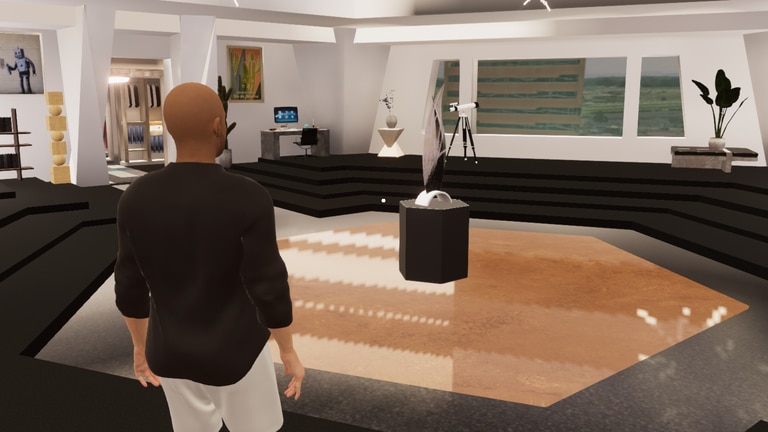
- Client
- Monash University
- Duration
- Aug 2020 - Dec 2025
- Engine
- Unity, NodeJS
- Platforms
- Web
The Brief
Monash University wanted a way for students and staff to connect online that felt spatial instead of being another video call grid: a persistent 3D environment people could walk around in and talk to each other inside. That meant combining real-time multiplayer, live video and voice, and a browser-accessible Unity build into one platform, then getting the whole thing hosted and running reliably.
Our Approach
The project spanned solution architecture, multiplayer systems, WebRTC video and voice, AWS deployment, backend services, and 3D environment production. As a two-person studio, Jacques and Melanie split the work by discipline rather than by feature:
Jacques' contributions:
- Solution and software architecture for the overall platform
- Unity C# programming for the web-based student app
- Node.js development for the backend servers
- AWS deployment
- Multiplayer development
- WebRTC video and voice chat integration, so students in the same virtual space could see and hear each other without leaving the Unity build
Melanie's contributions:
- Level design and assembly in Unity
- 3D character creation using Maya, Blender, and MakeHuman
- Project coordination as a Certified Scrum Master, running the project in Jira
WebRTC is the part that usually trips projects like this up: getting real-time video and voice working reliably inside a Unity WebGL build, across whatever network and browser a student happens to be on, took as much engineering attention as the 3D environment itself. Pairing it with an AWS-hosted Node.js backend gave the platform somewhere to run that could handle concurrent student sessions without the university needing to manage its own servers.
The Outcome
The result was an interactive online campus: students and staff moving through a shared 3D environment, talking to each other in real time, accessible from a browser without installing anything. It gave the university a way to keep the social and spatial parts of campus life running when physical attendance wasn't an option.
Client Review
You could not ask for a better team to work with on your project, Jacques and Mel are super professional and great to work with.
Related Services
For shared 3D environments with voice, video, backend services, and hosting, see our Unity development, Unity multiplayer backend development, and full-stack development services.
For a collaborative product with its own application workflows, see custom app development.